
The Right Way to Build Commercial Metal Structures: Planning to Completion
Constructing a commercial metal structure isn’t just about putting steel beams together—it’s a meticulous process that requires vision, technical expertise, and seamless project execution. Whether you’re expanding a warehouse, erecting a retail space, or building an industrial facility, success hinges on thoughtful planning from day one. Let’s walk through the process from blueprint to final bolt, showing how the right strategy, team, and materials come together to create a durable and efficient metal structure.
Step 1: Initial Planning and Site Evaluation
Before any physical work begins, site evaluation and feasibility studies are essential. This includes understanding the property’s zoning laws, soil condition, drainage requirements, and accessibility. These factors influence the footprint of the building, its foundation needs, and even how utilities will be integrated.
Collaborating with an experienced Houston metal roofing contractor early in the process ensures you’re working with professionals who understand local building codes and environmental conditions. Their insights can prevent costly delays down the line.
Step 2: Design Development and Engineering
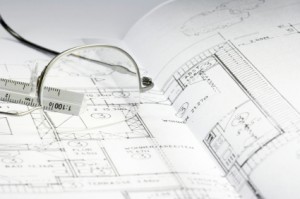
This is where your project begins to take real shape. During the design phase, architects and engineers will work closely with you to create a tailored metal building design that reflects your functional goals, branding, and budget. Critical decisions like the size and shape of the building, door and window placements, insulation requirements, and roof pitch are finalized here.
Structural engineers ensure the design complies with safety codes and is optimized for wind, seismic, and snow loads—especially important in regions with unpredictable weather. Additionally, a well-thought-out metal building design incorporates energy efficiency, future expansion possibilities, and low-maintenance features.
Step 3: Permitting and Procurement
With plans in hand, the permitting process begins. Your contractor typically manages this phase, handling submissions to local municipalities and making adjustments as required. Simultaneously, materials are ordered—including steel framing, roofing, siding, and fasteners. Reputable contractors will source high-quality, warrantied components that stand up to the elements and minimize ongoing maintenance.
This phase benefits greatly from partnering with a seasoned Houston metal roofing contractor, who can streamline communication with vendors and officials while keeping procurement aligned with the construction timeline.
Step 4: Site Preparation and Foundation Work
Site preparation includes clearing, leveling, and installing underground utilities. Foundation work follows, with reinforced concrete slabs or piers laid according to your building’s specifications. This phase sets the tone for the rest of the build—precision here ensures the entire structure goes up smoothly and safely.
Step 5: Steel Erection and Envelope Installation
Once the foundation has cured, the steel frame is erected. This includes columns, beams, and roof trusses. Wall and roof panels are then installed, followed by insulation, doors, and windows. Each step is done methodically to ensure weather-tight seals and structural integrity.
Step 6: Interior Build-Out and Final Touches
Depending on the building’s purpose, this phase might include HVAC installation, electrical systems, plumbing, and finishing touches like drywall, paint, or custom shelving. At this point, inspections are conducted to ensure the building is up to code and ready for occupancy.
To start your next metal building design project in Houston the right way, reach out to Brant Metal Buildings—your trusted local expert.